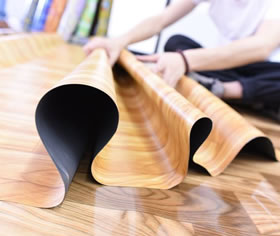
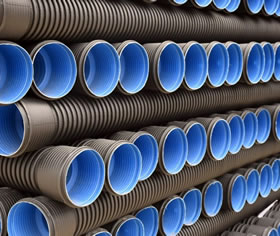
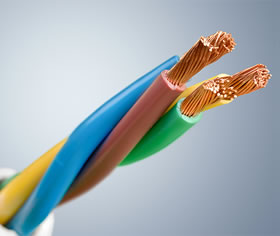
PVC comes in rigid (sometimes abbreviated as RPVC) and flexible forms. Rigid PVC is used in construction for pipes, doors and windows. It is also used in making plastic bottles, packaging, and bank or membership cards. Adding plasticizers makes PVC softer and more flexible. It is used in plumbing, electrical cable insulation, flooring, signage, phonograph records, inflatable products, and in rubber substitutes. With cotton or linen, it is used in the production of canvas.
PVC is widely used in applications such as:
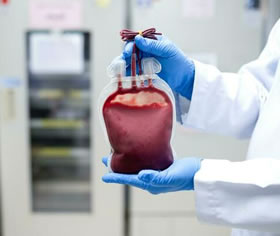
-Building products, including window frames and other profiles, floor and wall coverings, roofing sheets, linings for tunnels, swimming-pools and reservoirs. -Piping, including water and sewerage pipes and fittings, and ducts for power and telecommunications. -Coatings, including tarpaulins, rainwear and corrugated metal sheets. -Insulation and sheathing for low voltage power supplies, telecommunications, appliances, and automotive applications. -Packaging, pharmaceuticals, food and confectionery, water and fruit juices, labels, presentation trays. -Automotive applications, including cables, underbody coating and interior trimmings. -Medical products, including blood bags, transfusion tubes and surgical gloves. -Leisure products, including garden hoses, footwear, inflatable pools, tents.
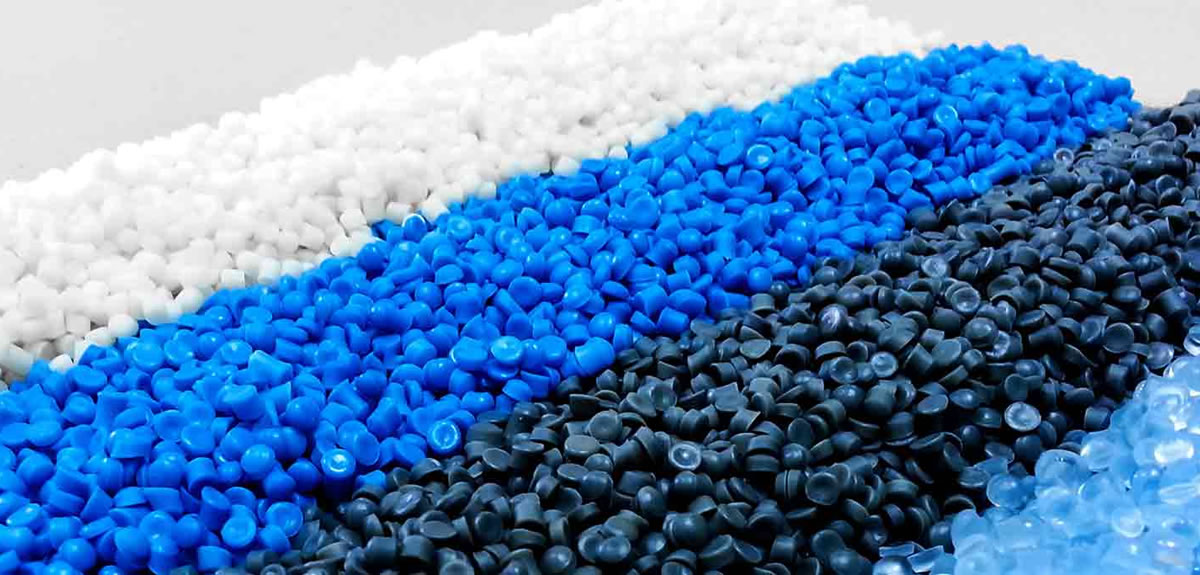
Granule compounds have gained attention for their versatility in various applications, from agriculture to pharmaceuticals. These substances consist of small