

Blog
The Importance of Polystyrene Recycling in Reducing Environmental Impact

Polystyrene, commonly found in packaging and disposable products, poses significant environmental challenges due to its non-biodegradable nature. Recycling polystyrene not only reduces landfill waste but also conserves valuable resources, making it essential for sustainable practices. As awareness about plastic waste grows, the need for effective recycling methods becomes increasingly critical.
The recycling process transforms polystyrene into new products, minimizing the environmental impact. By participating in polystyrene recycling programs, individuals and businesses can contribute to reducing pollution and conserving energy. This not only benefits the planet but also paves the way for a more sustainable economy.
Understanding the importance of recycling polystyrene can lead to actionable changes in behavior. Encouraging community engagement and supporting recycling initiatives are vital steps toward a cleaner environment. Awareness and education around polystyrene recycling can drive significant progress in tackling plastic pollution and promoting responsible consumption.
Polystyrene: Composition and Use
Polystyrene is a widely used synthetic polymer characterized by its versatility and diverse applications. Understanding its composition and primary uses provides insight into its significance in various industries.
Understanding Polystyrene
Polystyrene is a clear, hard plastic made from the polymerization of styrene monomers. Styrene is derived from petroleum, and when polymerized, it forms a solid or foam structure. Depending on the processing method, polystyrene can be rigid, like in cd cases, or expanded as in foam cups.
This material can be classified into several types, primarily general-purpose polystyrene (GPPS) and high-impact polystyrene (HIPS). GPPS is known for its clarity and rigidity, while HIPS is blended with rubber to enhance impact resistance, making it suitable for various consumer products.
Common Applications of Polystyrene
Polystyrene plays a crucial role in many everyday items across numerous sectors. Its applications include:
Packaging: Used for protective packaging, it ensures safety during shipping and handling.
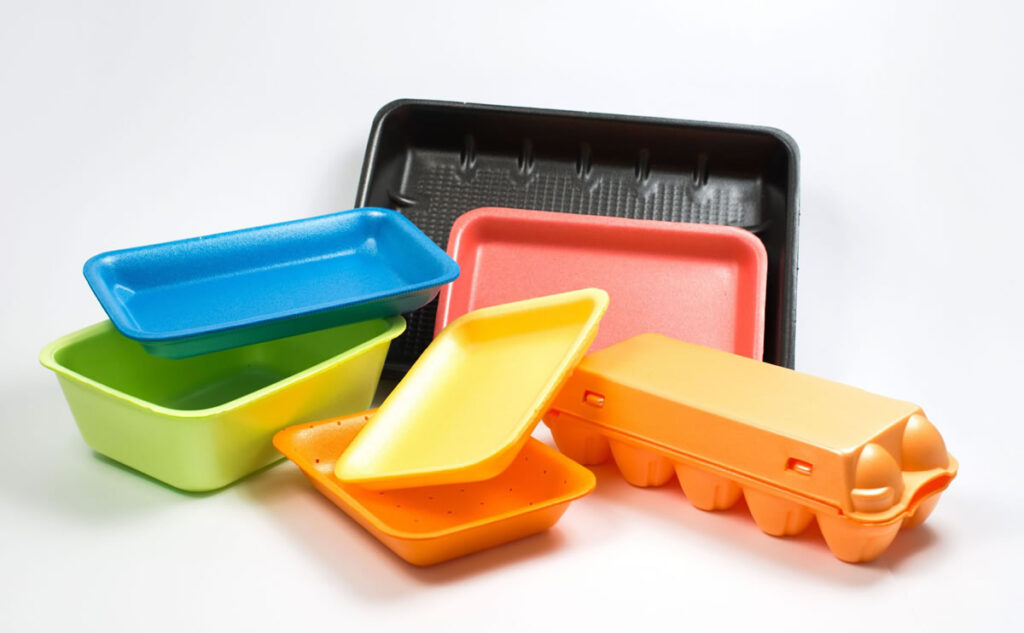
Food Containers: Common in disposable cups, plates, and clamshell containers; it is lightweight and cost-effective.
Insulation: Expanded polystyrene (EPS) is frequently used for thermal insulation in buildings.
Additionally, it serves in the manufacturing of toys, appliances, and electronic components. Its lightweight nature and insulating properties make it a preferred choice in these applications.
Environmental Impact of Polystyrene
Polystyrene’s impact on the environment is significant due to its non-biodegradable properties and the consequences for wildlife and ecosystems. Its persistence in landfills and natural habitats poses a long-term challenge for waste management and ecological health.
Non-Biodegradable Nature
Polystyrene is a synthetic polymer that does not break down naturally. Its decomposition process can take hundreds of years, resulting in substantial accumulation in landfills.
This longevity is a concern for waste management systems. As more products are made from polystyrene, the volume of waste increases.
Additionally, when polystyrene ends up in the environment, it contributes to plastic pollution.
Microplastics release from degraded polystyrene can contaminate soil and waterways, potentially entering the food chain.
Effects on Wildlife and Ecosystems
Polystyrene poses serious threats to wildlife. Animals often ingest polystyrene fragments, mistaking them for food. This can lead to internal injuries, malnutrition, and even mortality.
Marine life is particularly affected. Floating polystyrene debris collects in ocean currents, forming harmful habitats for marine creatures.
Birds, fish, and other wildlife may become entangled in it or consume it alongside natural prey.
The presence of polystyrene can disrupt ecosystems. It can alter natural habitats, affecting biodiversity and species distribution.
Mitigating these impacts necessitates increased efforts in polystyrene recycling and sustainable alternatives.
Recycling Polystyrene: The Process
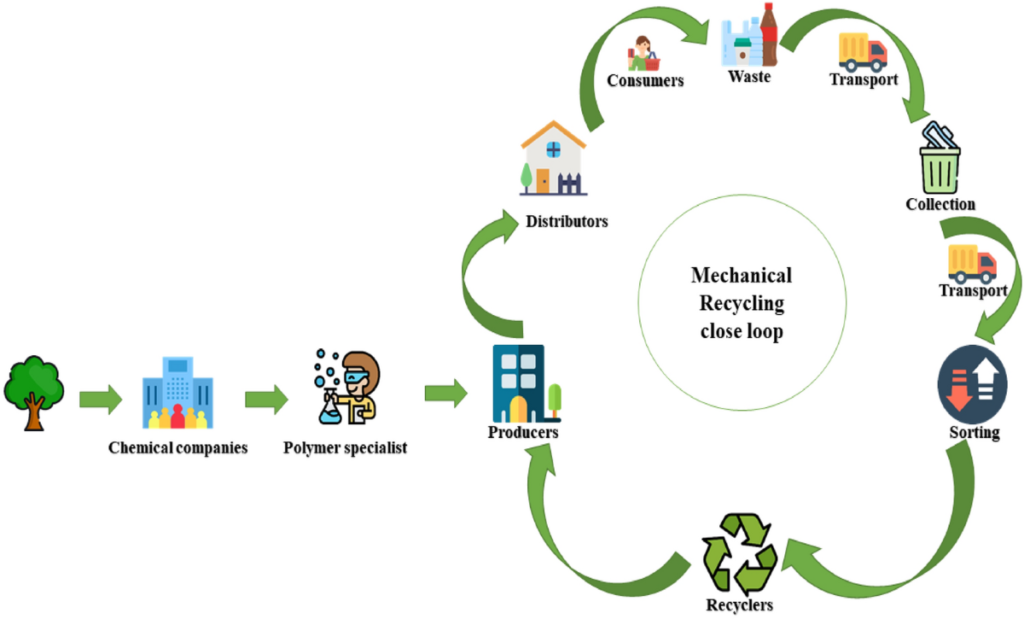
Polystyrene recycling involves several key steps: collecting and sorting used materials, cleaning and melting them down, and finally repurposing them into new products. Each step is crucial for ensuring the recycling process is efficient and effective.
Collection and Sorting
The recycling process begins with the collection of polystyrene products from various sources such as households, commercial establishments, and recycling centers. Common items include:
- Food containers
- Packing peanuts
- Disposable cutlery
Once collected, the materials undergo sorting to separate polystyrene from other types of waste. Effective sorting is critical; contamination with non-recyclable materials can compromise the quality of the end products. Sorting may be done manually or through automated systems using conveyor belts and scanners designed to identify different types of plastics.
Cleaning and Melting
After sorting, the polystyrene must be cleaned to remove any residues, such as food, oil, or chemical contaminants. Cleaning typically involves rinsing the materials in warm water and using mild detergents.
Once cleaned, the next step is melting the polystyrene. This process usually occurs in industrial settings where the material is heated to around 200 °C (392 °F) to convert it into a malleable state.
During melting, it is important to monitor the temperature to avoid degrading the material. The melted polystyrene can then be formed into pellets, which serve as the raw material for new products.
Repurposing into New Products
The final stage of polystyrene recycling involves repurposing the melted material into new products. These products can include various items such as:
- Insulation panels
- Containers for packaging
- Craft materials
Manufacturers use the pellets created during the melting process to mold new items. This approach not only conserves resources but also promotes waste reduction, making polystyrene recycling an important practice in sustainable manufacturing.
Innovation in product design continues to inspire new uses for recycled polystyrene, showing its adaptability and value in various industries.
Challenges in Polystyrene Recycling
Polystyrene recycling faces significant hurdles that hinder effective processing and recovery. The challenges primarily stem from logistical and economic barriers, along with technological limitations.
Logistical and Economic Barriers
Collection and transportation of polystyrene present notable challenges. This material is often lightweight and bulky, leading to high costs for shipping to recycling facilities. Many municipalities do not have the infrastructure to support polystyrene collection, which limits access for consumers and businesses.
Additionally, limited public awareness and participation in recycling programs further complicate the situation. The low market value of recycled polystyrene discourages investment in dedicated recycling facilities. Companies often opt for cheaper disposal options instead of recycling, making it less economically viable.
Technological Limitations
Current technologies for polystyrene recycling face constraints that impact efficiency. Conventional methods often result in low-quality recycled materials with limited applications. This lack of quality can deter manufacturers from using recycled polystyrene, perpetuating a cycle of waste.
Emerging technologies, such as chemical recycling, show promise but are not yet widely available or cost-effective. Research into more efficient methods is ongoing, but the pace of innovation is slow. Until advancements are made, broad-scale acceptance of recycled polystyrene will remain difficult.
The Benefits of Recycling Polystyrene
Recycling polystyrene offers multiple advantages that contribute positively to environmental sustainability. This includes conserving natural resources, reducing pollution levels, and promoting sustainable practices in various industries.
Conservation of Resources
Recycling polystyrene directly contributes to the conservation of valuable resources. New polystyrene production relies on petroleum, a non-renewable resource. By recycling, existing materials can be reused instead of extracting new raw materials.
This process not only reduces the dependency on oil but also decreases the energy consumption associated with manufacturing new products. According to studies, recycling polystyrene can save significant energy compared to producing new material.
Moreover, using recycled polystyrene can create new products, such as insulation, packaging, and various consumer goods. This shift results in less landfill waste and a more efficient use of existing resources.

Reduction in Pollution
Recycling polystyrene helps mitigate pollution in several ways. Manufacturing new polystyrene generates harmful emissions and waste, which contribute to air and water pollution. Utilizing recycled materials lessens the environmental impact by reducing emissions produced during the manufacturing process.
Additionally, diverting polystyrene waste from landfills decreases the amount of material that would otherwise break down and release toxic substances. Studies show that recycling can prevent millions of pounds of polystyrene from harming ecosystems and wildlife.
The reduction in pollution is essential for improving overall public health and environmental quality. Cleaner processes lead to less strain on waste management systems and decreased health risks associated with hazardous waste.
Promotion of Sustainable Practices
Recycling polystyrene encourages industries to adopt more sustainable practices. It promotes a circular economy, where materials are reused and recycled, minimizing waste. This transition not only benefits the environment but can also enhance a company’s reputation.
Many businesses are now looking for eco-friendly practices to attract environmentally conscious consumers. By incorporating recycled polystyrene into product lines, companies can showcase their commitment to sustainability.
Furthermore, educational campaigns about recycling can increase public awareness and participation. Greater consumer interest drives the demand for recycled materials, fostering innovation in recycling technologies and infrastructure for future endeavors.
 HDPE
HDPE Film
Film Blow Molding
 Injection Molding
 Pipe Extrusion
 LDPE
LDPE LLDPE
LLDPE PP
PP Textile
 PVC
PVC MASTERBATCH