
 HDPE
HDPE Film
Film Blow Molding
 Injection Molding
 Pipe Extrusion
 LDPE
LDPE LLDPE
LLDPE PP
PP Textile
 PVC
PVC MASTERBATCH

Granule compounds have gained attention for their versatility in various applications, from agriculture to pharmaceuticals. These substances consist of small particles that can be easily manipulated, making them essential in processes requiring specific particle sizes and properties. Understanding their role and benefits can provide valuable insights for industries looking to enhance product efficiency and effectiveness.
The formulation of granule compounds often involves blending different materials to achieve desired characteristics, such as solubility and stability. This adaptability allows manufacturers to create tailored solutions for specific needs, ensuring improved performance in end products. Readers will discover the various types of granule compounds and their specific applications throughout this article.
From improving the controlled release of drugs to optimizing fertilizers in agriculture, the benefits of granule compounds are undeniable. They offer unique advantages that can boost productivity and quality across multiple sectors. Exploring these topics will reveal why granule compounds are becoming increasingly important in today’s market.
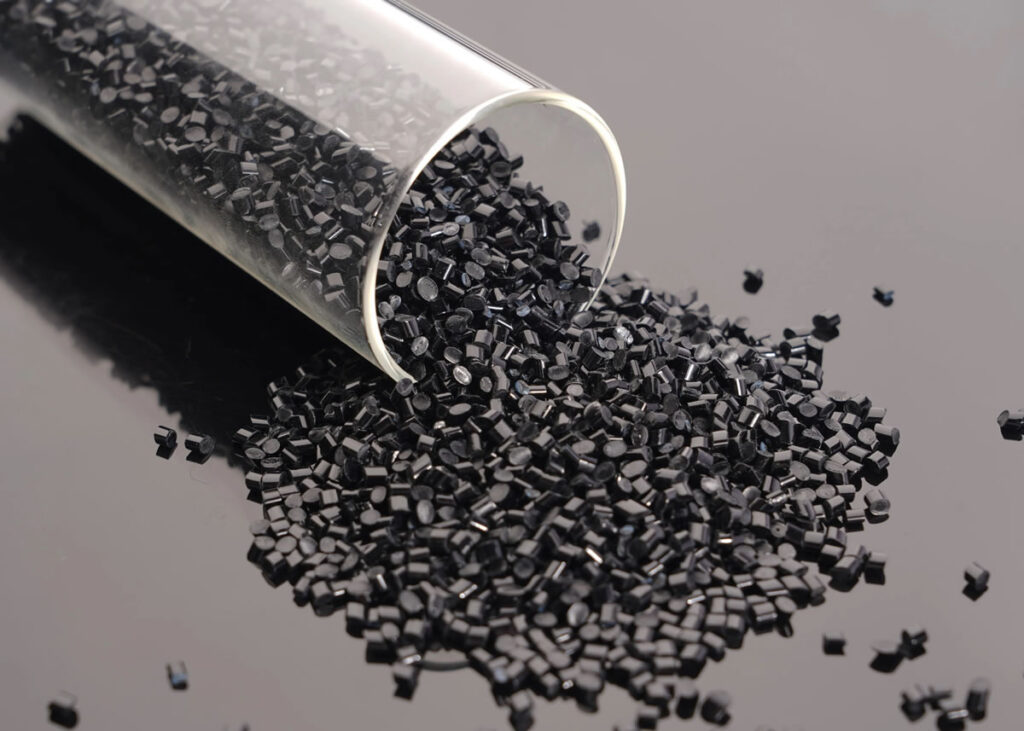
Fundamentals of Granule Compounds
Granule compounds are essential materials used in various industries, defined by their particular structures and characteristics. Understanding their classification and properties is vital for applications in pharmaceuticals, agriculture, and manufacturing.
Definition and Classification
Granule compounds refer to solid particles formed through the aggregation of finer particles. They typically range in size from 1 mm to several centimeters. Granules can be classified based on their origin and function:
- Natural Granular Materials: Derived from natural sources, such as salts or minerals.
- Synthetic Granules: Manufactured for specific applications, often involving polymers or other chemical compounds.
These granules are further subdivided based on their properties or end-use, impacting their functionality in different environments.
Chemical and Physical Properties
The chemical and physical properties of granule compounds are critical for their performance and application. Key properties include:
- Size and Shape: Affects flowability and packing density.
- Porosity: Influences absorption and release rates, particularly in pharmaceutical uses.
- Chemical Composition: Determines reactivity, stability, and compatibility with other materials.
Measuring these properties helps in tailoring granule compounds to meet specific requirements in various fields. The right balance of these characteristics ensures efficiency in their intended applications.
Synthesis and Formation
Granule compounds are formed through various methods that influence their properties and applications. Key aspects include granulation techniques and the role of binders and additives.
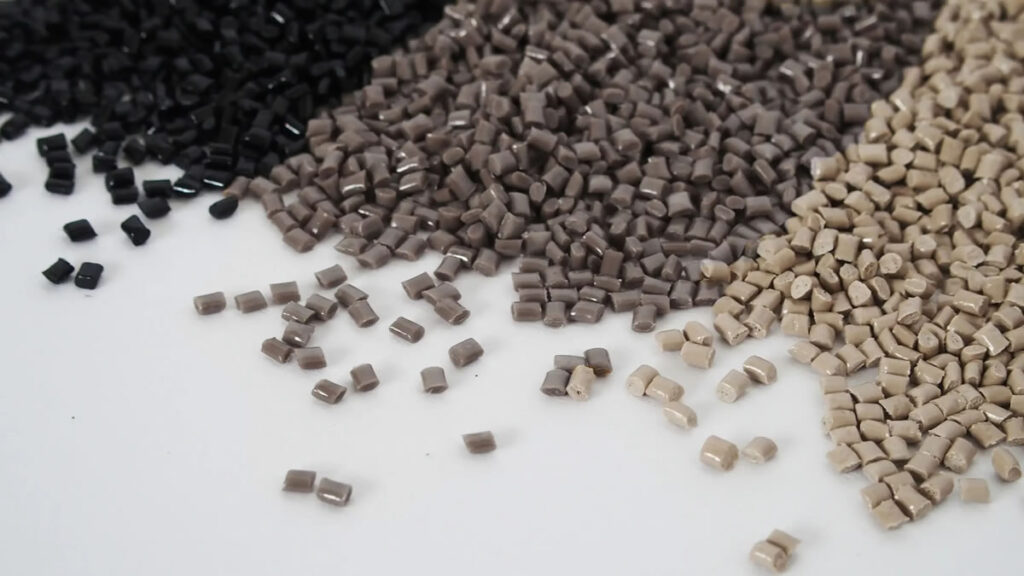
Granulation Techniques
Granulation involves the process of aggregating powder particles into granules. Common techniques include:
- Wet Granulation: This method uses a liquid binder to form moist granules. The mixture is then dried, resulting in granules that are often more uniform in size.
- Dry Granulation: This technique involves compressing the powder directly into granules without a liquid. It is particularly useful for heat-sensitive materials that may degrade when exposed to moisture.
- Extrusion-Spheronization: This advanced method combines extrusion of a wet mass followed by spheronization to produce small, round granules. It is effective for creating uniform granule sizes and enhancing flow properties.
Each technique has implications for the final properties of the granule compounds, impacting dissolution rates and stability.
Binders and Additives
Binders and additives play a crucial role in the formation of granules, affecting their stability and performance. The most commonly used binders include:
Starch: A natural polymer that enhances granule cohesion and is used in both wet and dry granulation.
Polyvinylpyrrolidone (PVP): A synthetic polymer known for its excellent binding properties in wet granulation processes.
Additives such as lubricants, anti-foaming agents, and colorants can also be integrated to achieve desired properties. For instance, lubricants help reduce friction in tablet presses, while colorants provide aesthetic appeal.
These components must be carefully selected to optimize the performance and ensure the desired characteristics of the final granule products.
Applications
Granule compounds are utilized in a variety of industries, showcasing their versatility and effectiveness. Their solid form allows for precise dosage and easy handling, making them suitable for many applications.
Pharmaceutical Industry
In the pharmaceutical industry, granule compounds play a crucial role in drug formulation. They ensure consistent dosage and aid in the stability of active ingredients.
- Formulation: Granules can be compressed into tablets or blended into powders.
- Controlled Release: They facilitate modified release formulations, allowing for steady drug absorption over time.
- Enhanced Solubility: Certain granule formulations improve the solubility of poorly soluble drugs, enhancing therapeutic efficacy.
The use of granule technology in pharmaceuticals contributes to improved patient adherence and therapeutic outcomes.
Agriculture and Fertilizers
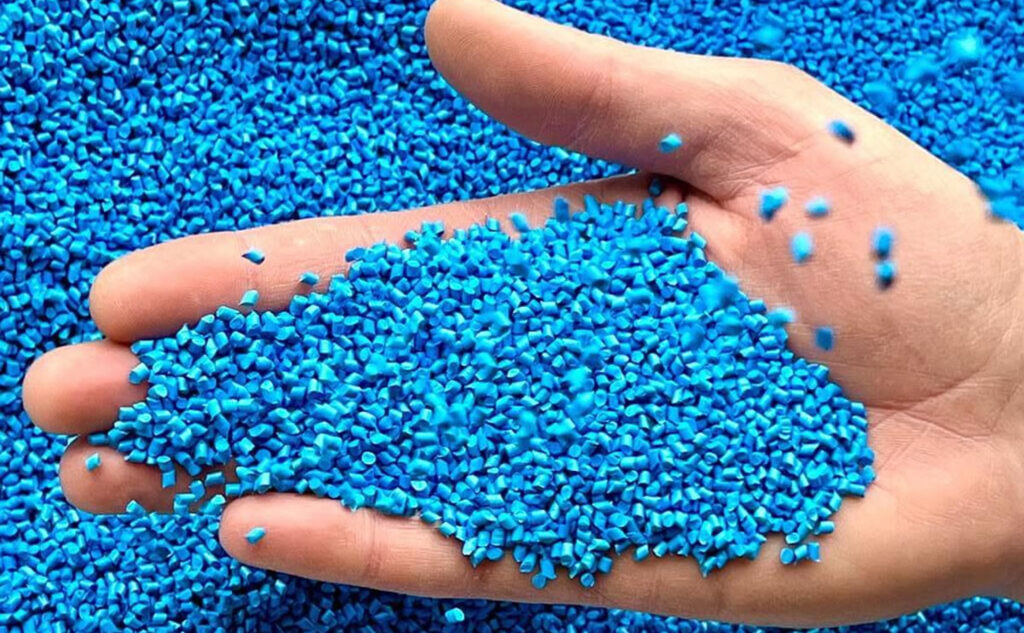
Granule compounds are extensively used in agriculture, particularly in the formulation of fertilizers and soil amendments. Their physical properties enhance application efficiency.
- Slow-Release Fertilizers: Granules provide nutrients gradually, reducing leaching and environmental impact.
- Pesticide Delivery: Granulated pesticides improve handling and application precision, minimizing wastage.
- Soil Enhancers: Many granules can enrich soil structure, helping retain moisture and nutrients.
This form allows for targeted application, thereby improving crop yield and sustainability.
Food Technology
In food technology, granule compounds serve multiple purposes, especially in food processing and preservation. Their unique properties contribute to various functions.
- Additives: Granules are often used as thickeners or stabilizers in sauces and emulsions.
- Preservation: They can enhance shelf life by controlling moisture content and preventing spoilage.
- Nutritional Fortification: Granulated nutrients can be easily incorporated into food products without affecting texture or flavor.
Their adaptability makes granule compounds vital in enhancing food safety and quality.
Characterization and Analysis
The characterization and analysis of granule compounds involve specific techniques and methodologies to ensure accurate identification and evaluation. These processes are essential for understanding the properties and applications of these compounds.
Techniques and Instrumentation
Characterization requires sophisticated techniques and equipment, including:
- X-ray Diffraction (XRD): Determines the crystalline structure and phase purity.
- Scanning Electron Microscopy (SEM): Provides detailed images of the surface morphology.
- Thermogravimetric Analysis (TGA): Measures changes in weight as a function of temperature to assess thermal stability.
Additional techniques include Fourier Transform Infrared Spectroscopy (FTIR) for identifying functional groups, and Particle Size Analysis for determining size distribution. Accurate characterization ensures proper application in fields such as pharmaceuticals, food technology, and materials science.

Interpreting Compound Data
Interpreting data from characterization techniques is crucial for evaluating granule compounds. It involves analyzing results from various tests to draw meaningful conclusions.
Key aspects include:
- Phase Identification: Determining the presence of distinct phases using XRD patterns.
- Morphological Assessment: Analyzing SEM images for granule shape and surface features.
- Thermal Properties: Evaluating TGA curves to understand decomposition temperatures and stability.
Careful interpretation aids in confirming the consistency of the granule compounds, aiding manufacturers in quality control and product development. Understanding these data points is vital for downstream applications and advancements in compound technology.