
 HDPE
HDPE Film
Film Blow Molding
 Injection Molding
 Pipe Extrusion
 LDPE
LDPE LLDPE
LLDPE PP
PP Textile
 PVC
PVC MASTERBATCH

Glass recycling plays a crucial role in environmental sustainability and resource conservation. It significantly reduces the need for raw materials, conserves energy, and minimizes landfill waste. By transforming used glass into new products, communities can create a circular economy that benefits both the planet and local economies.
The process of glass recycling is straightforward. It begins with collection and sorting, followed by cleaning and melting the glass to create new containers and products. This not only decreases pollution but also fosters a culture of reusing materials.
Engaging in glass recycling can also lead to cost savings for municipalities and consumers alike. By understanding its benefits and actively participating, individuals can contribute to a more sustainable future while also reaping the rewards of a cleaner environment.
Energy Savings
The energy required to produce new glass from raw materials is substantial. By recycling glass, energy consumption can be decreased by up to 30%. This is because recycled glass melts at a lower temperature compared to raw materials.
Using recycled glass also conserves fossil fuels. When manufacturers use recycled glass, they decrease their reliance on coal, oil, and natural gas required for production. Over time, this can lead to significant energy savings across industries.
Reduction in Raw Material Use
Recycling glass minimizes the need for raw materials like sand, soda ash, and limestone. This contributes to preserving natural resources and protecting ecosystems that could be disturbed by mining activities.
Using recycled materials reduces the demand for extraction processes that can cause soil erosion and habitat destruction. The more glass that is recycled, the less need there is for new materials, making it an essential part of sustainable production practices.
Glass Recycling Process
The glass recycling process involves several key stages that transform discarded glass into new products. This process minimizes waste and conserves resources, ensuring a more sustainable approach to glass use.
Collection and Transportation
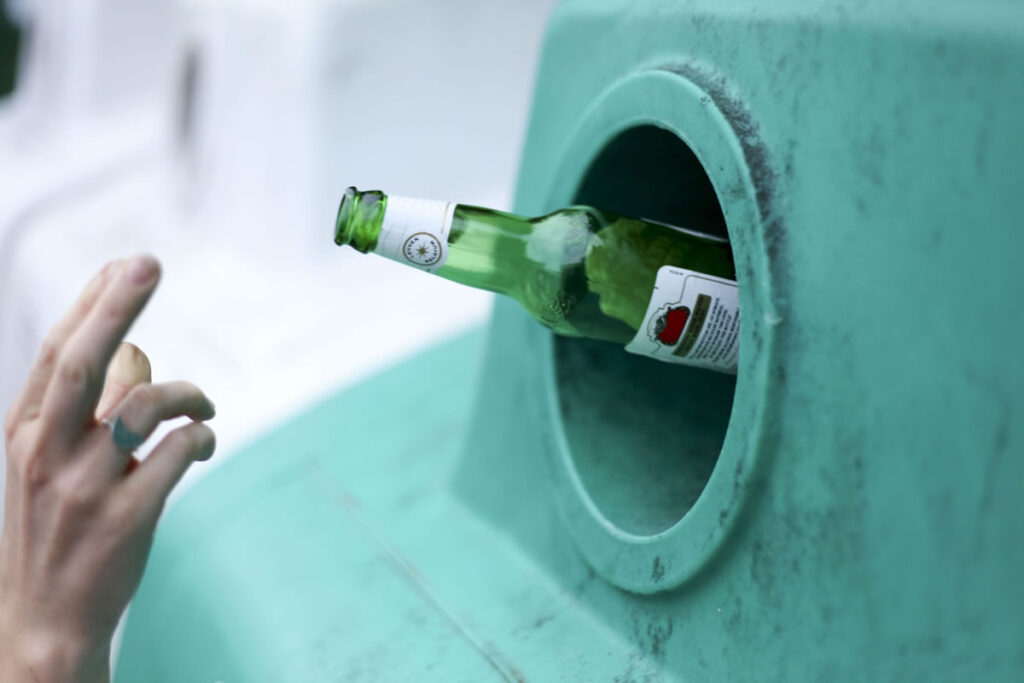
Glass recycling begins with collection. Households and businesses typically place glass in designated recycling bins. Municipalities or private companies then collect these materials regularly.
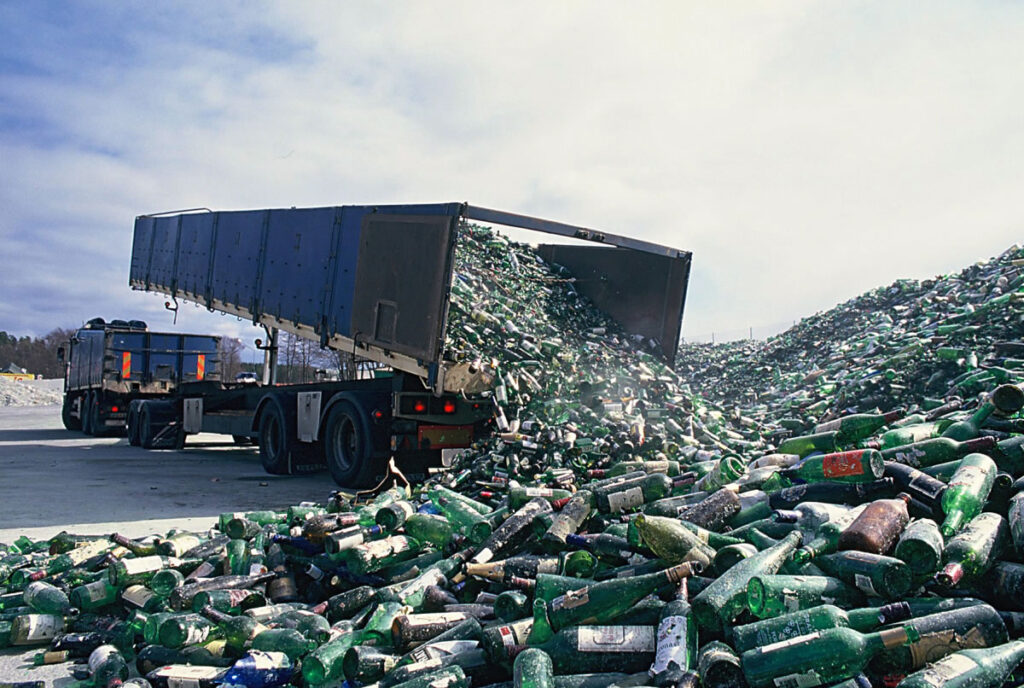
Transportation from collection points to recycling facilities is crucial. Transport vehicles must maintain a careful approach to minimize breakage. Once at the facility, the glass is prepared for the next stage.
Sorting and Cleaning
Upon arrival at the recycling facility, glass undergoes sorting. Employees or machines separate glass by color—clear, green, and brown—since the color affects the recycling outcome.
In addition to color sorting, contaminants such as labels, caps, and food residues are removed through a thorough cleaning process. Some facilities utilize water, air jets, or mechanical methods to ensure that the glass is as clean as possible.
Cullet Creation
After sorting and cleaning, the next step is cullet creation. Cullet refers to crushed glass that is ready for melting. The cleaned glass is crushed into small pieces, making it easier to melt in furnaces.
Cullet is essential because it lowers the energy required for melting glass. Recycling typically uses about 40% less energy than producing new glass. Thus, cullet serves both economic and environmental purposes in the recycling process.
Manufacturing of New Products
The final stage is the manufacturing of new products from cullet. The cullet is mixed with raw materials such as silica sand, soda ash, and limestone. This mixture is then heated in a furnace at high temperatures until it melts.
Once melted, the molten glass can be shaped into new containers or products. The cycle can continue, as recycled glass can be processed repeatedly without losing quality. New glass products made from recycled materials contribute to sustainability and resource conservation.
Challenges in Glass Recycling
Glass recycling faces several significant obstacles that hinder its effectiveness and efficiency. Key challenges include contamination issues, logistical and economic hurdles, and fluctuating market demand for recycled glass.
Contamination Issues
Contamination poses a critical challenge in glass recycling. When non-recyclable materials, such as plastics or food residues, mix with glass, they can compromise the quality of the recycled product.
Contaminated glass often ends up in landfills, undermining recycling efforts. Additionally, sorting facilities must invest in advanced technology and labor to identify and separate contaminants. This process increases operational costs and reduces overall efficiency.
Logistical and Economic Hurdles
Logistical challenges in transporting glass for recycling create significant barriers. Glass is heavy and fragile, making transportation costly and complicated.
Collection systems must be robust to ensure efficient transport from local municipalities to recycling facilities. Economic factors also play a crucial role. Low market prices for recycled glass can discourage investment in recycling infrastructure.
Facilities need to maintain productivity while managing operational expenses, which can be strained due to these logistical concerns.
Market Demand for Recycled Glass
Market demand for recycled glass fluctuates, impacting recycling efforts. Industries that utilize recycled glass, such as beverage manufacturers and construction, may not consistently require it.
When demand dips, the economic viability of recycling glass decreases. This inconsistency affects manufacturers’ willingness to accept recycled materials.
Furthermore, brand preferences and product packaging trends can influence the demand for recycled glass, impacting the sustainability of recycling programs.

Advances in Glass Recycling Technology
Technological innovations are transforming the glass recycling landscape. Key developments include advanced sorting methods and enhanced processing equipment, which significantly improve efficiency and output quality.
Innovative Sorting Techniques
Recent advancements in sorting technologies have revolutionized glass recycling. Optical sorting machines now utilize near-infrared spectroscopy to detect and separate different types of glass. This method enhances purity by ensuring that contaminants are minimized.
Additionally, some facilities employ AI-driven robots that can identify and sort glass based on color and composition. These intelligent systems increase accuracy and speed in the sorting process, leading to better recyclables.
The integration of these technologies reduces labor costs and maximizes throughput. As a result, recycling facilities can process larger volumes of glass while maintaining high quality.
Improved Processing Equipment
The upgrading of processing equipment has also advanced glass recycling. State-of-the-art crushing machines allow for more effective size reduction, transforming glass into cullet with consistent quality.
Innovative washing systems have been developed to remove impurities such as labels and adhesives. These systems use water-saving methods, ensuring an environmentally friendly operation. Furthermore, modern melters are designed to operate at lower energy consumption levels. This improvement contributes to a reduced carbon footprint and cost-effectiveness in processing recycled glass.