
 HDPE
HDPE Film
Film Blow Molding
 Injection Molding
 Pipe Extrusion
 LDPE
LDPE LLDPE
LLDPE PP
PP Textile
 PVC
PVC MASTERBATCH

Polymers play a crucial role in the advancement ofPolymer in Medical Equipment: Innovations and Benefits, impacting everything from surgical tools to prosthetics. Their versatility and biocompatibility make them essential materials in modern healthcare applications. By utilizing polymers, manufacturers can create devices that are not only safer and more efficient but also tailored to meet specific medical needs.
As the demand for innovative medical solutions continues to grow, the Application of Polymer in Medical Equipment: Innovations and Benefits becomes increasingly significant. These materials contribute to the development of lightweight, durable, and cost-effective products, enhancing patient care and recovery. The integration of polymers into healthcare technology illustrates a commitment to improving outcomes and streamlining medical processes.
The future of medical equipment is undoubtedly intertwined with polymer technology. With continuous research and development, the potential for new applications expands, paving the way for breakthroughs in treatment and diagnosis. Readers will explore how these materials are transforming the medical landscape and what that means for patients and healthcare providers alike.
Overview of Polymers in Medical Devices
Polymers play a vital role in the design and functionality of medical devices, contributing to advancements in patient care and technology. This section will examine the types of medical polymers used and their historical development, highlighting key innovations and applications.
Types of Medical Polymers
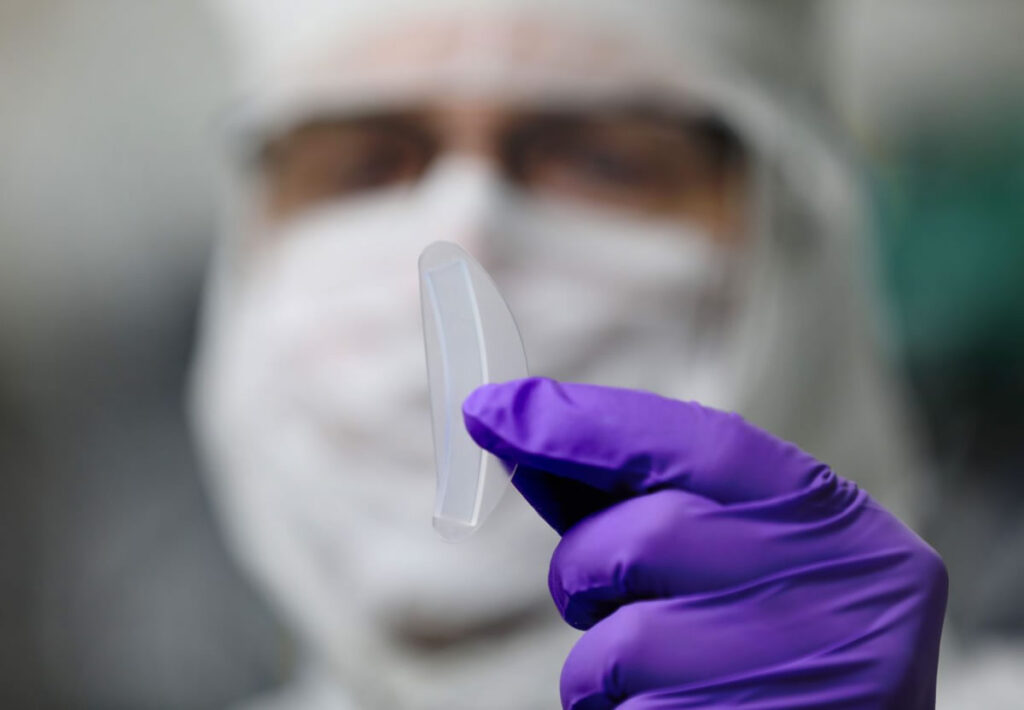
Polymer in Medical Equipment are categorized into several types, each serving specific purposes. Common categories include:
Thermoplastics: These materials can be remelted and reshaped. Examples are polyethylene (PE) and polyvinyl chloride (PVC), used in tubing and bags.
Thermosetting Polymers: Once cured, these polymers cannot be remelted. Epoxies and polyurethanes are often used in durable applications, like adhesives.
Elastomers: Known for their flexibility and elasticity, these are found in devices like catheters and seals. Silicone and latex are popular choices.
The biocompatibility of these materials is crucial, as they must not cause adverse reactions in the body. Additionally, polymers can be engineered for specific properties, including antimicrobial characteristics and biodegradability, expanding their applications in medicine.
Historical Evolution of Medical Polymers
The use of polymers in medical devices has evolved significantly since their introduction in the mid-20th century. Early applications, such as PVC for IV bags, marked the beginning of using synthetic materials in healthcare.
The 1960s and 1970s saw innovations like polyethylene and polystyrene in disposable devices. Over the decades, advancements in polymer chemistry have led to the development of specialized materials tailored for medical use.
Recent years have introduced smart polymers that respond to environmental changes, enhancing functionality in devices like drug delivery systems. Research continues to drive innovation, improving safety and effectiveness in patient care.

Polymers in Diagnostic Equipment
Polymers play a crucial role in advancing diagnostic equipment. Their unique properties enable the development of effective tools for sensing, imaging, and monitoring, thereby enhancing the accuracy and efficiency of medical diagnostics.
Polymer-Based Sensors and Assays
Polymer-based sensors exhibit remarkable sensitivity and specificity for detecting various biomolecules. These sensors often utilize conductive polymers or polymer composites that can transduce biochemical interactions into measurable signals. Examples include polymer films that respond to changes in pH or ionic strength, facilitating real-time monitoring of physiological conditions.
Assays leveraging polymers, such as enzyme-linked immunosorbent assays (ELISA), benefit from polymers used as solid-phase substrates. This enhances stability and signal amplification, crucial for detecting low-abundance targets like pathogens or biomarkers.
The versatility of polymers allows for modifications that improve biocompatibility and reduce nonspecific binding, leading to increased assay reliability and reproducibility.
Imaging and Monitoring Applications
In imaging technologies, polymers serve as contrast agents and matrix materials. Materials like polymeric nanoparticles are employed in magnetic resonance imaging (MRI), computed tomography (CT), and ultrasound to enhance image quality. These nanoparticles can be engineered to improve targeted delivery while minimizing toxicity.
Monitoring applications utilize flexible polymer sensors for wearable devices. These devices can track vital signs, glucose levels, or other physiological parameters with high accuracy. Additionally, the lightweight nature of polymers makes them ideal for creating comfortable and unobtrusive wearable monitoring solutions.
By integrating various polymer technologies, developers create diagnostic tools that improve patient care through timely and accurate monitoring of health conditions.
Therapeutic and Prosthetic Applications
Polymers play a critical role in various therapeutic and prosthetic applications of Polymer in Medical Equipment. Their versatility and biocompatibility make them suitable for a range of medical solutions aimed at improving patient care and outcomes.
Surgical Instruments and Wound Closure
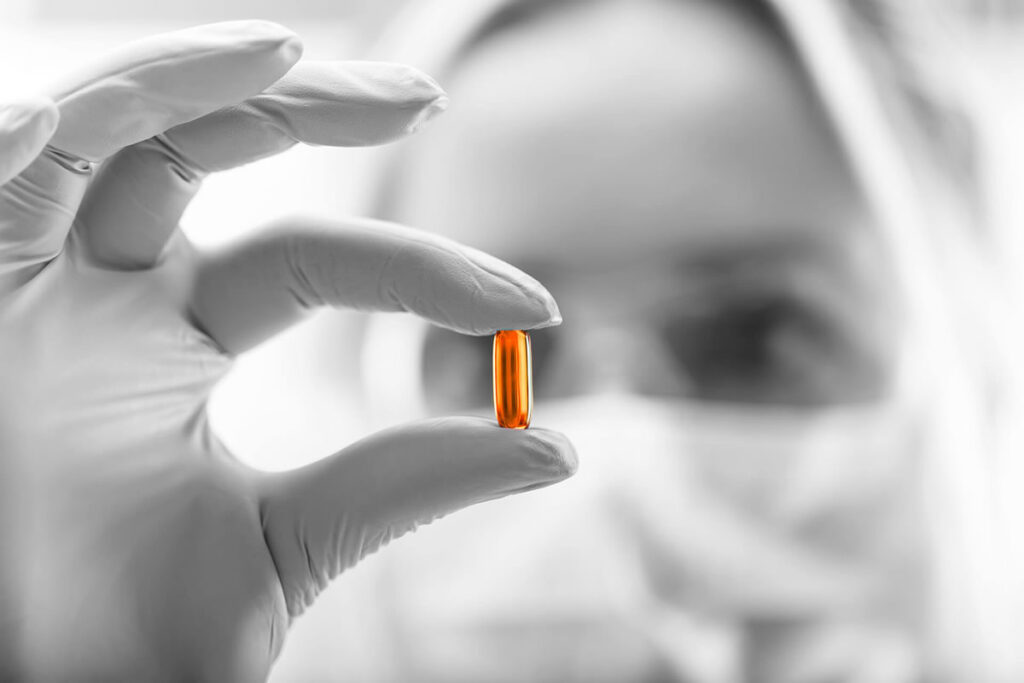
In surgical settings, polymers are utilized in manufacturing surgical instruments like scalpel handles, sutures, and forceps. These instruments can be crafted from high-performance polymers that offer strength, light weight, and resistance to sterilization methods.
For wound closure, specialized polymers are implemented in sutures and adhesive dressings. Biodegradable sutures made from polymers such as polyglactin or polydioxanone promote healing by reducing inflammation and minimizing foreign body response. Adhesive products employing cyanoacrylate or polyurethane polymers provide effective closure without needles, enabling quicker recovery.
Drug Delivery Systems
Polymers are pivotal in designing advanced drug delivery systems. These systems ensure controlled release of medications, enhancing therapeutic effectiveness while reducing side effects. Polymeric nanoparticles, for example, can encapsulate drugs and facilitate targeted delivery to specific tissues.
Moreover, hydrogels made from polymers offer a safe environment for drug incorporation. They swell upon contact with bodily fluids, releasing therapeutic agents at predetermined rates. This approach significantly benefits chronic disease management, as polymers can be tailored for various release profiles.
Implants and Prostheses
In the realm of implants, polymers such as polyethylene and silicone are commonly used due to their compatibility with human tissue. These materials can withstand physiological conditions and provide necessary support for joint replacements and other implantable devices.
Prosthetic limbs also benefit from polymer use. Lightweight composites are incorporated into prosthetic structures, improving patient mobility. Moreover, soft polymers are used in sockets to enhance comfort and reduce irritation, making prostheses more functional and user-friendly for individuals requiring them.
Biocompatibility and Safety Considerations
Biocompatibility is essential when utilizing polymers in medical equipment. Safety considerations play a significant role in determining the suitability of these materials for healthcare applications.
Regulatory Framework for Medical Polymers
The regulatory landscape governs the use of polymers in medical devices. Agencies such as the FDA (U.S. Food and Drug Administration) and EMA (European Medicines Agency) have established guidelines for evaluating biocompatibility.
Materials must undergo rigorous testing to assess their biological response. This includes cytotoxicity, sensitization, and irritation testing. Standards such as ISO 10993 provide a framework for these evaluations.
Meeting these regulatory standards is critical for market approval and ensuring patient safety. Manufacturers must provide comprehensive data demonstrating that their polymers do not produce adverse biological effects.

Advancements in Biodegradable Polymers
Recent innovations in biodegradable polymers offer improved safety profiles. These materials are designed to degrade safely in bodily environments, reducing long-term health risks.
Polylactic acid (PLA) and polycaprolactone (PCL) are examples of such polymers. They have gained traction for applications like sutures and drug delivery systems. Their ability to break down into non-toxic byproducts enhances their biocompatibility.
Research continues to focus on developing new biodegradable formulations. These advancements aim to optimize mechanical properties while maintaining safety standards. This ongoing innovation enhances the potential for sustainable medical practices.